
Is LASIK right for you? What we look for in a candidate
4 min readRand Eye Institute
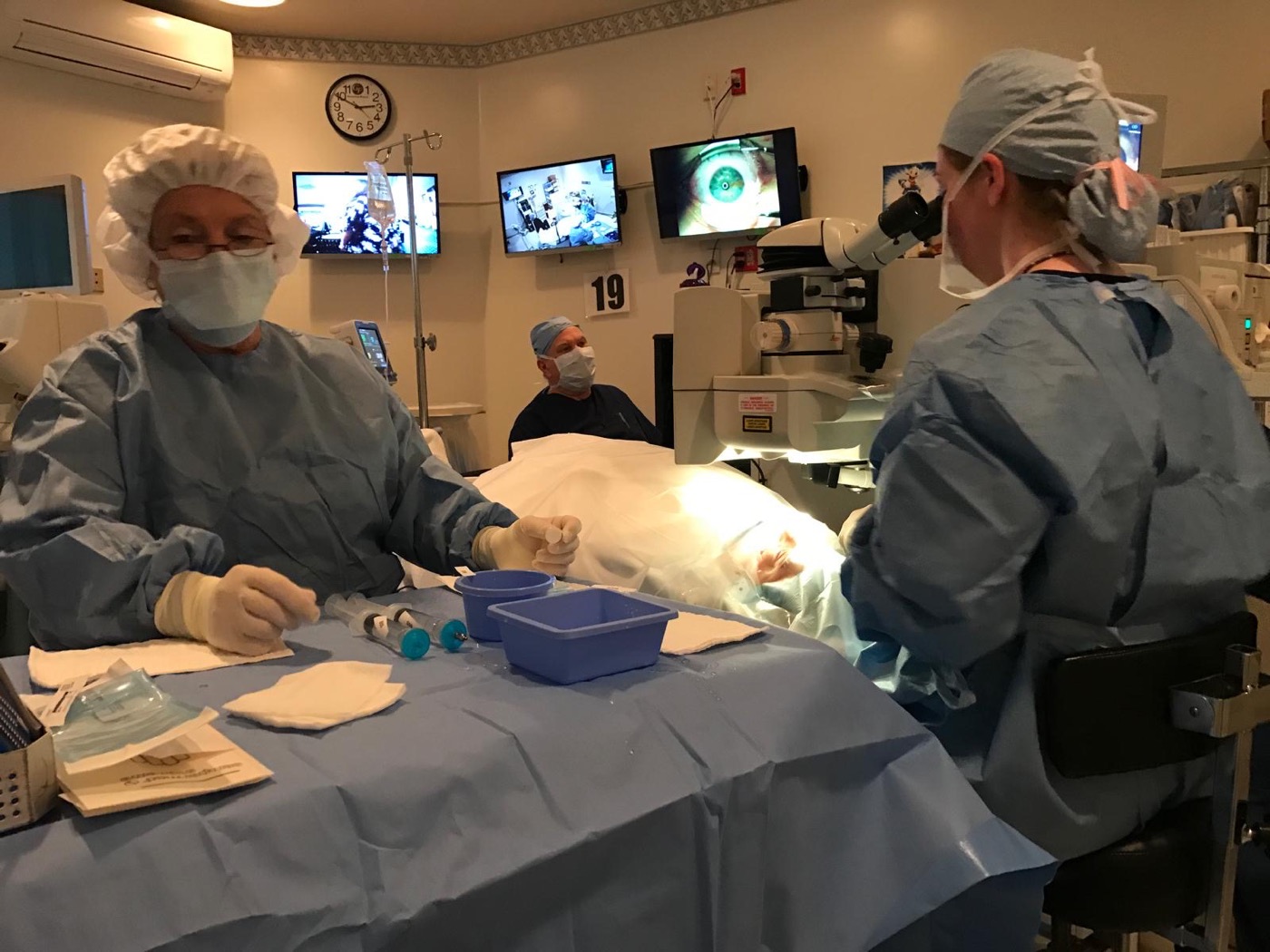
Most people who ask about LASIK have been thinking about it for years. Contacts have started to bother them, or they are tired of hunting for glasses before they can read the clock. The real question is never whether LASIK works. It is whether it is the right procedure for your particular eyes.
What LASIK is doing
Your cornea is the clear front window of the eye, and it does most of the focusing. If it is shaped a little too steeply, too flatly or unevenly, light lands in front of the retina or behind it instead of on it. That is nearsightedness, farsightedness and astigmatism.
Laser vision correction reshapes that window by a few microns so light lands where it should. The measurements come first, the laser simply executes them. This is why the workup matters more than the machine.
Who tends to be a good candidate
Candidacy is decided at the exam, not on a website, but the eyes that do well usually share a few traits:
- A prescription that has held steady rather than moving every year
- Corneas with enough thickness and a healthy, regular shape on topography
- A cornea and tear film in good condition, with dry eye treated first if it is present
- No active eye disease and no lens changes that point toward a different procedure
- Expectations that match what corneal surgery can and cannot do
When a no flap procedure is the better answer
Standard LASIK creates a thin flap in the cornea, lifts it, treats underneath and lays it back down. It is an excellent procedure and it is not the only one.
For patients with thinner corneas, certain corneal shapes, or a life full of contact sports and dust and impact risk, a surface treatment that creates no flap at all can be the smarter choice. The correction is applied to the surface of the cornea instead, and the surface heals over it. The visual destination is similar. The path there is different, and the healing feels different in the early period.
This is one of the main things we sort out at the consultation. A practice that only offers one procedure will find a way to make you a candidate for it. We would rather tell you which of several procedures fits your cornea, including the possibility that none of them do.
The reasons we say no, and what we offer instead
Some people come in for LASIK and leave with a different plan, which is a good outcome even when it is not the one they expected.
If topography shows an irregular, thinning cornea, that can point to keratoconus, and corneal cross linking is the procedure that addresses it. Reshaping a weak cornea with a laser would be the wrong move. If the natural lens is already clouding, a lens based procedure addresses the actual problem, and correcting the cornea would leave the cataract untouched. If the ocular surface is inflamed and dry, we treat that first, because a dry eye gives unreliable measurements and an unhappy result.
None of that is a rejection. It is the difference between a practice that performs procedures and a practice that diagnoses eyes.
What the consultation involves
A laser vision correction evaluation is a long appointment, and it should be. We map the shape of your cornea with topography, measure its thickness, check your prescription with and without dilation, study the tear film, and look at the retina.
Take your contact lenses out well before the visit and follow the instructions the office gives you, because contacts temporarily reshape the cornea and skewed measurements lead to skewed plans. Bring your glasses and your prescription history if you have it. Bring a driver, since dilation is likely.
Recovery, honestly
The procedure itself is quick and you are awake, with numbing drops and no needles. You go home the same day and come back so we can check the eye.
Vision typically improves quickly after a flap procedure and settles more gradually after a surface procedure, and either way the fine tuning continues for a while. We will not give you a guaranteed date for perfect vision, because eyes heal on their own schedule and anyone who promises you a number is guessing.
Where to start
The only way to know whether you are a candidate is to have the cornea measured. The evaluation is straightforward, the answer is usually clear, and you will leave knowing which procedure fits your eyes and which ones do not.
Rand Eye Institute has been performing laser vision correction in Deerfield Beach for decades, with the consultation, the laser suite and the follow up under one roof. Call the office and we will set up your evaluation.
This article is general information about eye conditions and the procedures we perform. It is not medical advice, and it cannot tell you what is happening in your eyes. Only an examination can do that.