
When is it time for cataract surgery? The signs worth paying attention to
4 min readRand Eye Institute
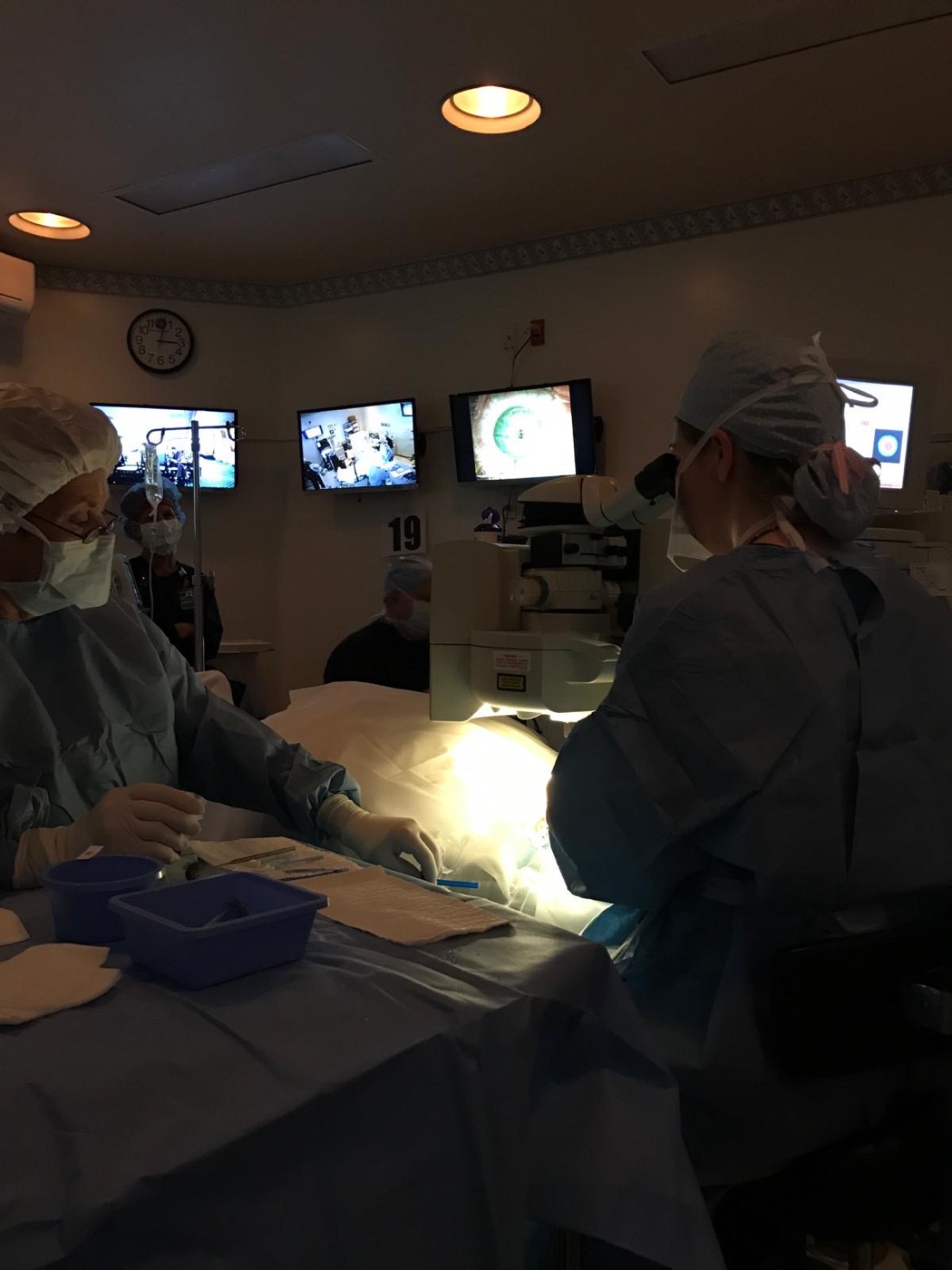
Almost nobody wakes up one morning and decides it is cataract day. A cataract clouds the natural lens slowly, over years, and the eye is good at hiding the change until it starts costing you something you care about.
What a cataract actually is
Behind your pupil sits a clear lens about the size of an aspirin. It focuses light onto the retina. Over time the proteins in that lens clump and yellow, and the lens stops being clear. That is a cataract. It is not a film growing over the eye and it is not something you caused. Almost everyone who lives long enough develops one.
Because the change is gradual, most people adapt without noticing. They turn on another lamp to read. They stop driving to dinner after dark. They get a new glasses prescription, then another one a year later. The vision loss is real, but it arrives quietly.
The symptoms patients actually describe
When we ask what changed, we tend to hear the same handful of things:
- Headlights and streetlights throw a starburst or a halo at night
- Colors look washed out or slightly brown, and whites look dingy
- Reading takes more light than it used to
- Glasses get updated more often than they used to, and the new pair never feels quite right
- Bright sun and oncoming glare are harder to tolerate than they were
- One eye seems to be doing most of the work
So when is it time?
There is no magic number on a chart that says today is the day. The honest standard is simpler than that. Cataract surgery is worth considering when the cataract is interfering with something you want to keep doing, and when an eye exam confirms the cataract is the reason.
That second half matters. Glare at night can come from a cataract, and it can also come from a dry ocular surface or a corneal problem. Dull color vision can come from a cataract, and it can also come from the retina. A full dilated exam is how we tell the difference, and it is why we would rather see you early than have you wait until driving at night already feels unsafe.
Waiting a while is a legitimate answer. If the cataract is mild and your vision still does what you need, we will tell you so and see you again down the road. Nobody at this practice is going to push you toward an operating room you do not need yet.
What the evaluation involves
A cataract evaluation is longer than a routine vision check because we are measuring the eye, not just testing it. We check your vision with and without glare, dilate the pupils to see the lens and the retina, look at the health of the cornea, and take precise measurements of the length and curvature of the eye. Those measurements are what a lens implant calculation is built on.
Plan for your eyes to stay dilated for a few hours afterward, and bring someone who can drive you home if bright light bothers you.
The lens is a real decision, not a formality
If surgery makes sense, the clouded lens is removed and an artificial lens is placed where it was. The lens you choose shapes what your vision looks like afterward, so it deserves a real conversation.
A monofocal lens gives excellent quality at one distance, and most patients still read with glasses. An extended range or trifocal lens such as PanOptix is designed to give useful vision across distance, intermediate and near, which is why patients who want to spend less time reaching for readers often ask about it. Astigmatism can be addressed at the same time with a toric lens.
No implant turns an adult eye into a twenty year old eye, and every lens design involves a trade. The right answer depends on your anatomy, your other eye, how you spend your day and what you are willing to trade for what. We go through all of that before anything is scheduled.
What recovery looks like
Cataract surgery is done one eye at a time, with numbing drops rather than general anesthesia, and you go home the same day. You will use drops for a period afterward and come back so we can check the eye.
Vision usually starts clearing early, but healing is individual. Some people are thrilled on day one and some take longer to settle, and neither is a sign that anything went wrong. We will not hand you a number of days, because we cannot promise one honestly.
The part people are relieved to hear
At Rand Eye Institute your consultation, your measurements, your surgery and your follow up all happen in the same building in Deerfield Beach, with our own surgical pavilion on site. You are not sent across town to a surgery center that has never met you.
If the symptoms above sound like your last six months, a dilated exam will tell you where you stand. Call us and we will get you scheduled.
This article is general information about eye conditions and the procedures we perform. It is not medical advice, and it cannot tell you what is happening in your eyes. Only an examination can do that.